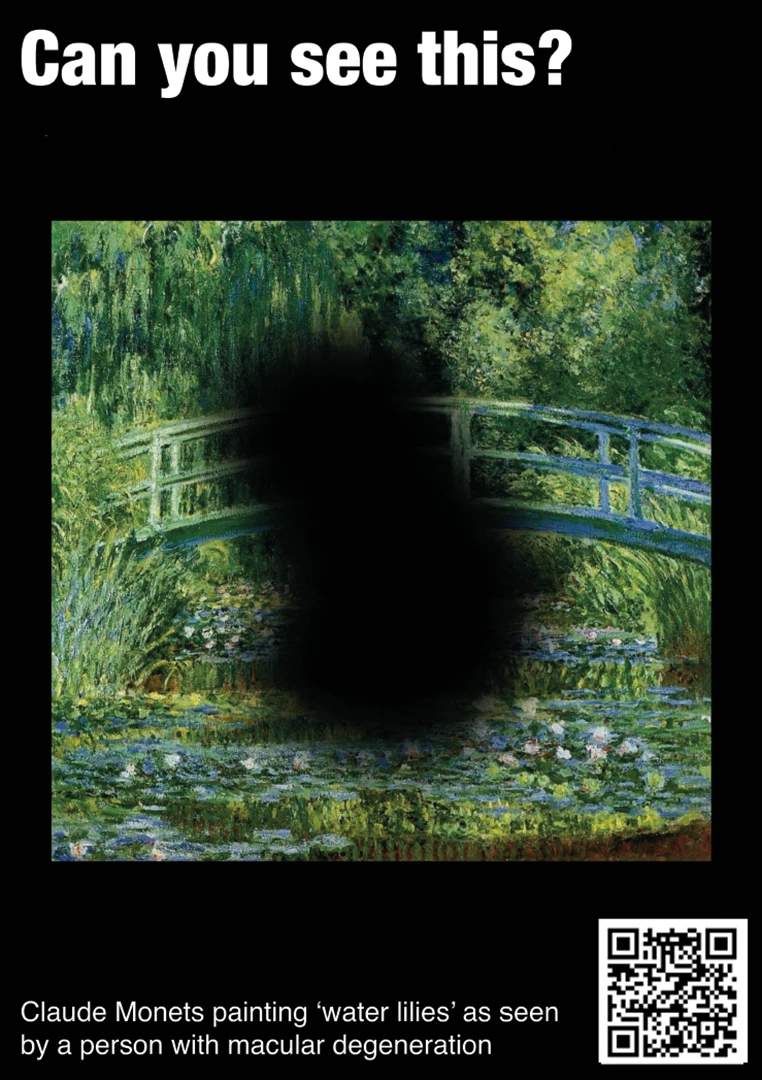

CORPUS: Visually Impaired (VI) simulation glasses Tour, NCAD Gallery. View the Graduate works with Visually Impaired (VI) Simulation Glasses. Organised by BA Visual Culture graduate Sophie Lawler. Drop in. Each tour lasts approximately 10 minutes. Friday, 5th June, NCAD Gallery, 10.30 am – 6 pm. Drop in.
Friday, 5th June, NCAD Gallery, 10.30 am – 6 pm. Drop in. Each tour lasts approximately 10 minutes.
In addition to the 'Blindness Gain' Protest Event running 10am-5pm on Friday 5th June in Grey Square, Visually Impaired (VI) simulation glasses are provided to audience members at NCAD Gallery while viewing graduate work.
The VI simulation glasses give an insight into the effects of vision loss. They can enable quick identification of graphical features that do not have adequate size or contrast. They help wearers to understand how visually demanding a task is and can be valuable tools in convincing stakeholders of the need to make designs more visually inclusive. However, they should not be solely relied upon to conclude capability loss.
Ref: www.inclusivedesigntoolkit.com/csg/csg.html
_____
The simulation glasses simulate a general loss of the ability to see fine detail, but do not represent any particular eye condition. Different levels of impairment are simulated by wearing different numbers of glasses at the same time. The glasses have been designed to be thin and light-weight to enable this.
The effects of wearing the glasses are representative of an inability to achieve the correct focus, reduced transmission of light through the eye, and the retina being less sensitive to light. These effects typically occur with ageing and many common eye conditions, as well as not wearing the most appropriate corrective glasses. Important issues not covered by these glasses include blind spots, tunnel vision, colour vision deficiency (often called colour blindness) and excessive glare sensitivity.
These glasses enable quick identification of graphic features that do not have adequate size or contrast. For example, the glasses are suitable for assessing the legibility of text and symbols, and the extent to which users will be able to see the different controls of a product.
It is important to recognise that impairment simulation cannot convey what it is really like to live with capability loss on an everyday basis. This includes the frustrations and social consequences that people living with capability loss experience, as well as the adaptations and workarounds that they often adopt.
As a result, the simulation glasses are intended to complement other methods that involve users as part of a holistic inclusive design evaluation (described within the Evaluate part of Process section of this website). The glasses can enrich a conversation between someone who has vision issues and someone who doesn’t. They should not be solely relied upon to draw conclusions about capability loss, the way this affects product use, or the impact of visual aids and assistive technologies.
Nevertheless, the glasses can be very valuable in design. They can be used provide initial usability feedback to help correct some of the major issues with a design before it is taken to users, thus reducing time and frustration for both users and designers. They can also help to wearers to understand just how visually demanding a task is and can be valuable tools in convincing stakeholders of the need to make designs more visually inclusive.
Furthermore, the glasses can be used as an initial assessment of products and services against the size and contrast criteria within the European Accessibility Act (EAA). Our interpretation of these criteria in the EAA is described on the page titled When does text have adequate size and sufficient contrast?.
.
This Tour is one of the CORPUS Series events and works presented at NCAD Works 2026 by Visual Culture graduates.
.
Posters by Alisha Maher. Images courtesy of Sophie Lawler & Alisha Maher.
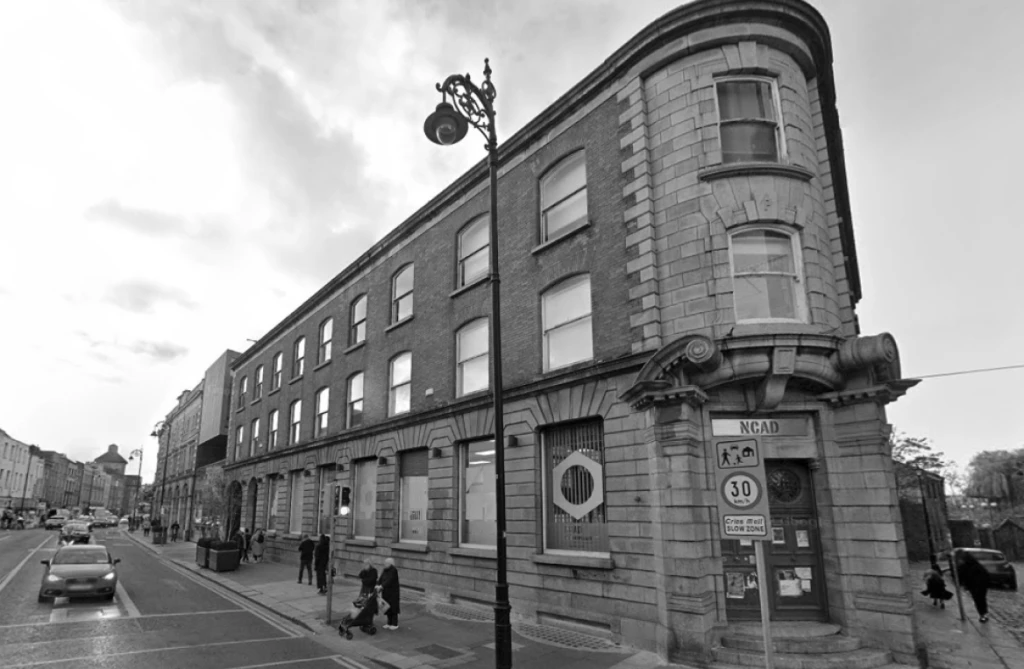
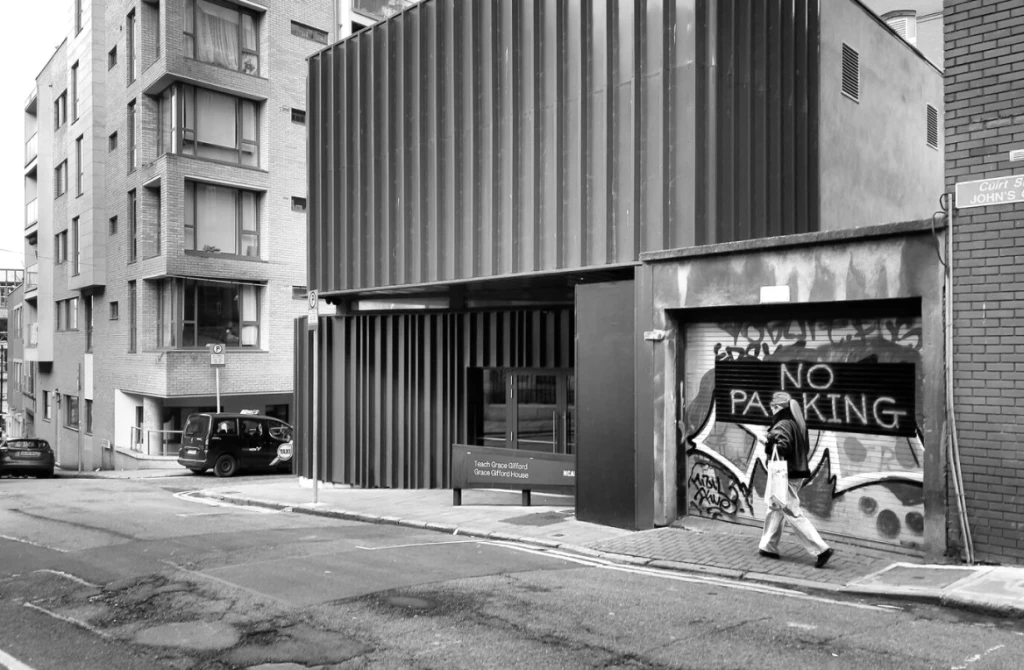
LOCATION: NCAD Gallery